Pulse Check · November 26, 2026 · Edition 12
When the machine flags it, who checks?
Smart glasses that cut grid inspection time 35%, AI answering nine in ten guest chats, P&G's unattended factories, drones at 911 calls, and Australia's look at AI monitoring.
Smart glasses cut power grid inspection time by 35%
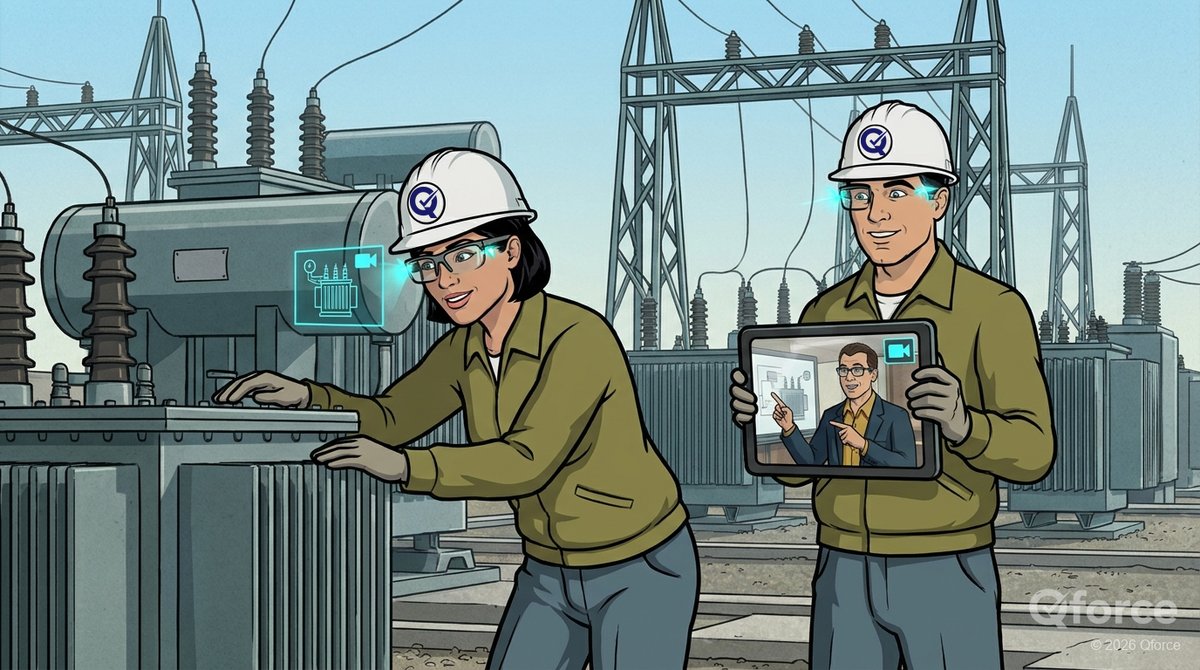
Watt, a Korean safety company founded in 2020, supplies smart glasses that show field workers procedures hands-free and stream what they see to a remote expert. About 70 customer sites use it, including Hyundai Motor and Korea Electric Power Corporation (KEPCO). Watt says KEPCO cut equipment inspection time by 35% and travel time and costs by 40%, and Korea Expressway Corporation cut report writing time by 76% after moving inspections onto the system. The figures are Watt's own.
With Qforce Pulse: the inspector scans the asset's QR code and works through the checklist on a phone, and the photos and answers become the inspection record. A supervisor reviews it from the office the same day, with no trip to site.
Source: biz.chosun.com
AI handles nine in ten guest inquiries for bar group

Drake & Morgan, a bar and restaurant group, has expanded its use of HeyGuest, an AI system that answers guests on webchat, social media and now the phone. In the past year it handled more than 21,000 chats and over 1,300 bookings, many outside opening hours, and resolved about 90% of inquiries without a team member. The group says that gave venue staff back more than 2,600 hours. AI email is next. The figures come from HeyGuest's announcement.
With Qforce Pulse: the hours only reach the floor if someone plans them. Turn the freed time into scheduled table checks and cleaning rounds, and see on the dashboard whether each venue did them.
Source: hospitalityandcateringnews.com
Automation will cut up to 30% of P&G's supply jobs
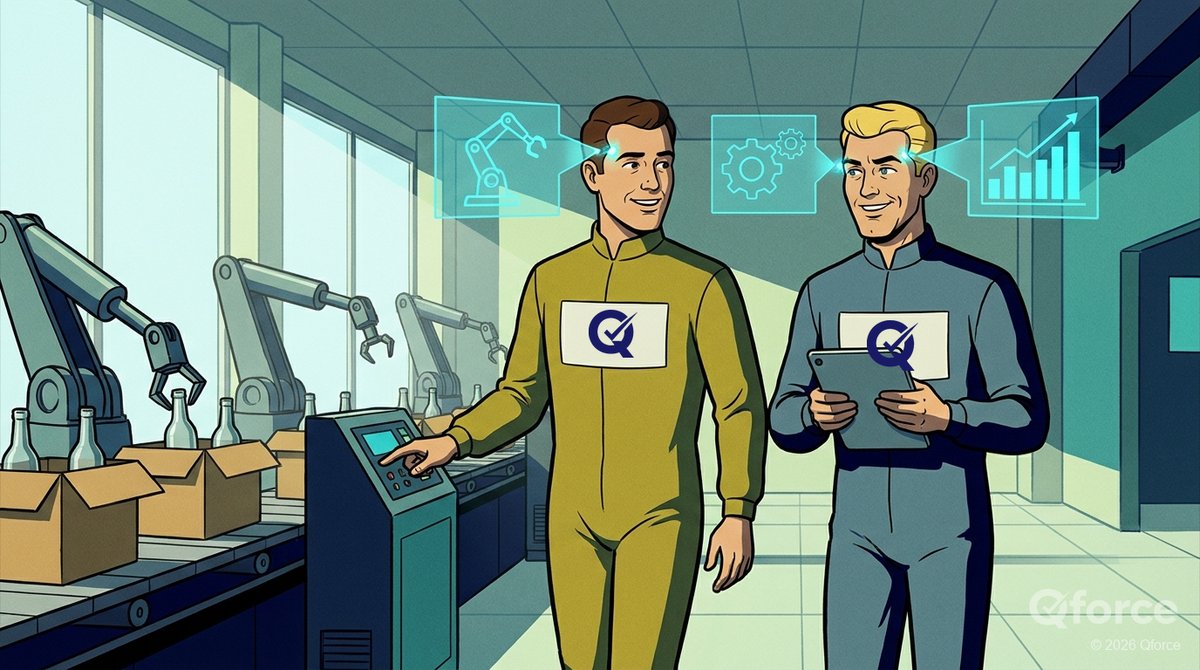
Procter & Gamble plans to cut 20% to 30% of its product supply workforce, including contractors, by 2030 as robots and automation replace heavy manual work. Its chief product supply officer told investors on November 19 that P&G already runs autonomous production at more than 15 sites, which it calls unattended operations, and will expand it this fiscal year. The company says the change will improve safety, quality and reliability, and productivity by up to 20%.
With Qforce Pulse: when fewer people cover more lines, every check needs an owner. Assign each round to a named person, and the dashboard shows which machines were looked at on each shift and which were not.
Source: supplychaindive.com
Drones reach Vancouver emergency calls in seconds, not minutes
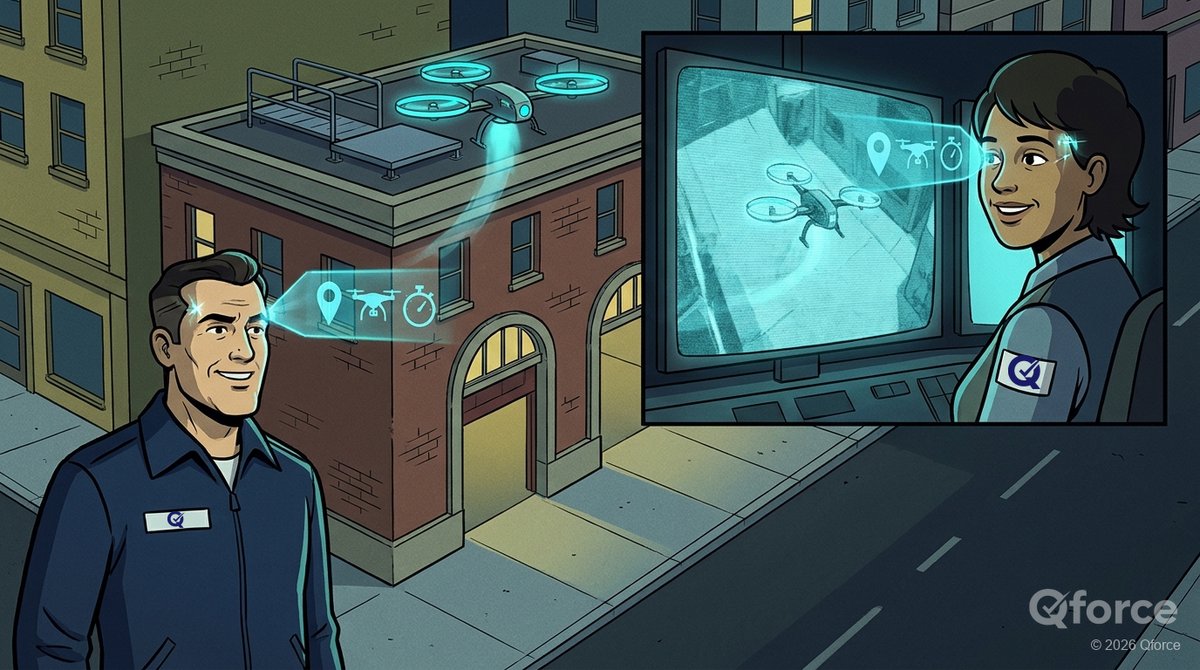
In June, the Vancouver Police Department put six Skydio drones in docks across the city's north. Linked to the dispatch system, they let an officer launch a drone toward a 911 call within seconds, instead of the 10 to 15 minutes it took to get people there. After more than 1,100 flights, the fleet grows to 24 by January 15, docked at fire halls. A pilot always decides when to launch; software only steers around obstacles.
With Qforce Pulse: speed starts with the first report. A worker scans the area's QR code and logs the incident with a photo, and it reaches the named responder as a ticket in seconds, not at the end of the shift.
Source: thesafetymag.com
Australian lawmakers urge a review of AI monitoring at work

Australia's parliamentary committee on AI tabled 46 recommendations on November 24. On work, it asks the government to check whether current laws still fit AI monitoring, surveillance and automated decisions, to keep a person or company accountable when an AI agent does a job, and to push employers to consult workers early when AI changes their work. Unions and the Business Council of Australia both welcomed the report. These are recommendations, not law.
With Qforce Pulse: keep the record now. Broadcast each change to the crew, collect acknowledgements by name, and note which AI decisions a person reviewed, so you can show you consulted if the rules arrive.
Source: hcamag.com
One big number
80%
of safety professionals are concerned about AI generating actions such as discipline, or the cause of an incident, with little or no human check, and 48% are very concerned. The American Society of Safety Professionals surveyed nearly 1,000 of them online from July 6 to August 2, 2026. Nearly half of their organizations have no AI ethics policy at all. The people closest to the risk want a human in the loop.
When software flags a problem at your sites, who checks it before anyone acts on it? Reply and tell us how you review it today, and we'll share how other site teams handle it.
Wrestling with something at your sites?
Inspections, incidents, rosters, or where AI actually fits. Tell us about it, or book a free 20-minute consultation with the Qforce team. No strings.
Schedule a free consultation